In today’s fast-paced world, self-care is more important than ever. With hectic schedules and constant digital interactions, our skin often faces stress just like we do. That’s why Beauty By Herb is dedicated to bringing balance, nourishment, and a touch of nature back into your skincare routine. The Power of Herbal Beauty Nature has always been the best healer. For…
In a world where beauty routines often rely on synthetic ingredients, "Beauty By Herb" offers a refreshing return to nature. Inspired by the healing power of plants, this brand focuses on harnessing the wisdom of herbs to create skincare products that nurture, rejuvenate, and protect. The Philosophy Behind Beauty By Herb At Beauty By Herb, the philosophy is simple: nature…
Walk into a wellness shop in Singapore on a weekend and the labels still move faster than the science. Sheep placenta extracts sit near skin-brightening blends, and NMN bottles borrow language from longevity podcasts. None of that packaging is a clinical diagnosis, and Singapore’s rules still treat health supplements differently from registered medicines.
This guide stays informational. It does not claim that placenta products treat disease, that brightening capsules reverse pigmentation on a timetable, or that NMN reverses ageing. Those are marketing habits worth resisting.
How HSA frames health supplements
The Health Sciences Authority explains that health supplements in Singapore are meant to support or maintain health. They are not licensed as treatments for disease. Sellers still have duties around truthful labelling and prohibited claims, which is why HSA also publishes broader consumer safety advice for people comparing products online.
A practical habit is to separate three questions: what ingredient is named, what human evidence exists for that ingredient at a similar dose, and what the label is carefully not allowed to promise. If a page blurs those three, put the bottle down.
Online marketplaces make that blur easier. Screenshot the claim before it disappears in a redesign, and keep the batch or lot number if you later need to ask a pharmacist a precise question.
Dose, form and what the pack refuses to claim often matter more than the hero ingredient name.
Sheep placenta products: curiosity versus claims
Placenta-derived supplements appear in several Asian markets as beauty or vitality products. Ingredient stories vary by processing method, and published human evidence is uneven. That uncertainty is the story, not a footnote.
Category pages such as a sheep placenta supplement listing for Singapore are useful for seeing how brands describe origin and format. Read them next to independent explainers, not instead of them. If a friend describes a dramatic cure, treat that as anecdote.
Also watch for stacking: a placenta capsule plus a collagen drink plus a brightening tablet can turn into a crowded routine with overlapping marketing stories and little dose clarity. Write the stack on one line before you add another bottle.
A plain walk-through of dietary supplement label sections, serving sizes and claim language.
Skin-brightening and NMN language to handle carefully
Skin nutrition supplements often mention antioxidants, carotenoids or other nutrients linked to skin appearance in limited studies. Glow is subjective, sun behaviour still dominates pigmentation risk, and topical care is a separate conversation. Overviews of skin brightening supplement ranges should be read as product maps, not outcome guarantees.
NMN (nicotinamide mononucleotide) shows up in longevity marketing because it sits on a biochemical pathway related to NAD. Early research is active; large long-term outcome trials in healthy people are still limited. The US NCCIH overview of dietary and herbal supplements is a sober reminder that popular does not mean proven. Browse an NMN longevity supplement category with the same scepticism you would bring to any new capsule.
Be especially wary of phrases that sound like reverse ageing, disease treatment or guaranteed pigment fade. Those lines are where supplement talk slides toward medicine talk, which is exactly the boundary HSA draws for a reason.
Food patterns still do most of the quiet work while supplement labels compete for attention.
A weekend label audit you can actually finish
Pick two bottles you already own. Write the active ingredient, the dose per serving, and any disease-sounding verb on the pack. Cross those verbs against HSA’s supplement framing. If your GP or pharmacist would raise an eyebrow, ask them before you restock.
If you take prescription medicines, bring the list to the same conversation. Interactions and overlapping vitamin doses are ordinary problems that exciting longevity branding tends to skip.
That small audit will not make anyone immortal. It will make the next Singapore wellness purchase slower, cheaper and harder to overclaim.
When “we can manage at home” starts to feel uncertain
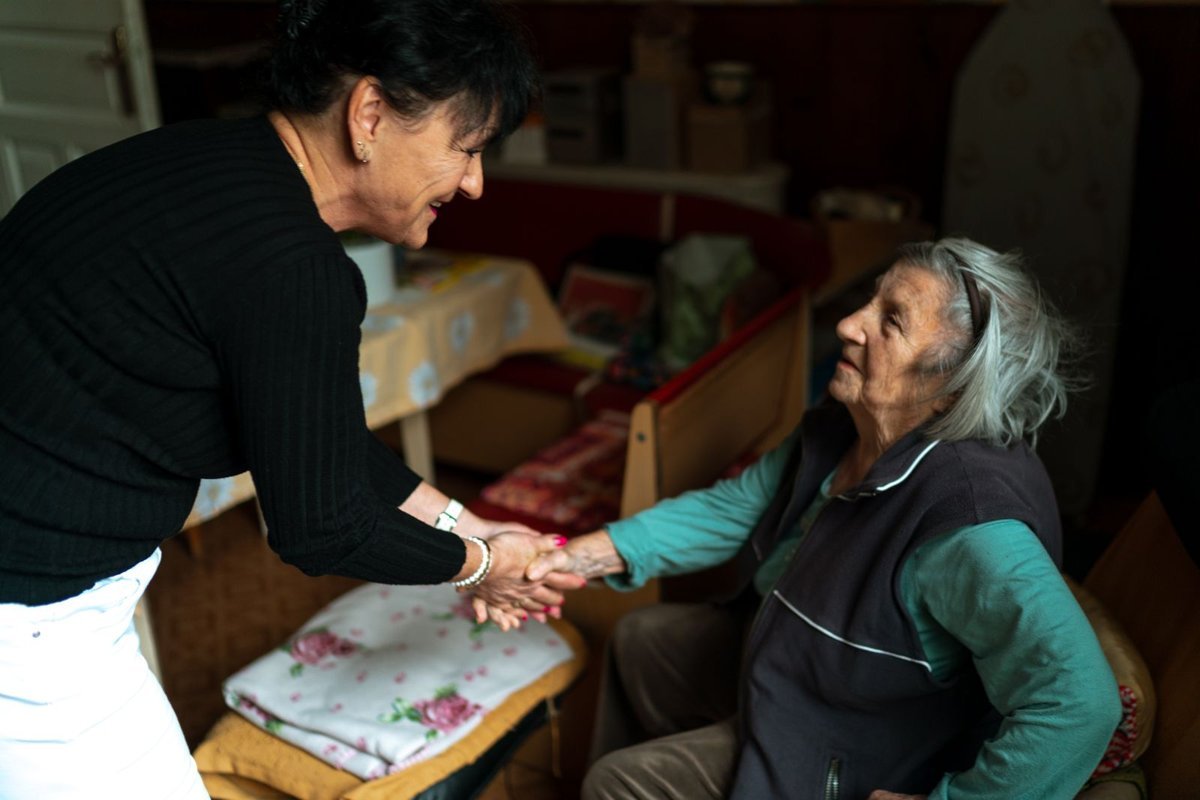
Most families in Malaysia start elder care the same way. A daughter moves her schedule around, a son drops by after work, and a part-time helper covers a few mornings. It works until something shifts: a fall in the bathroom, a hospital stay, or a parent who starts forgetting meals. Then the family meeting begins, often in a hospital corridor, and the choice seems to be between doing more at home or moving Mum or Dad into a facility.
It is rarely that simple, and it does not have to be decided in one evening. This piece walks through what each option looks like day to day, the questions that separate them, and how families in the Klang Valley and Johor Bahru can test a plan before committing.
Care at home: what a typical week can include
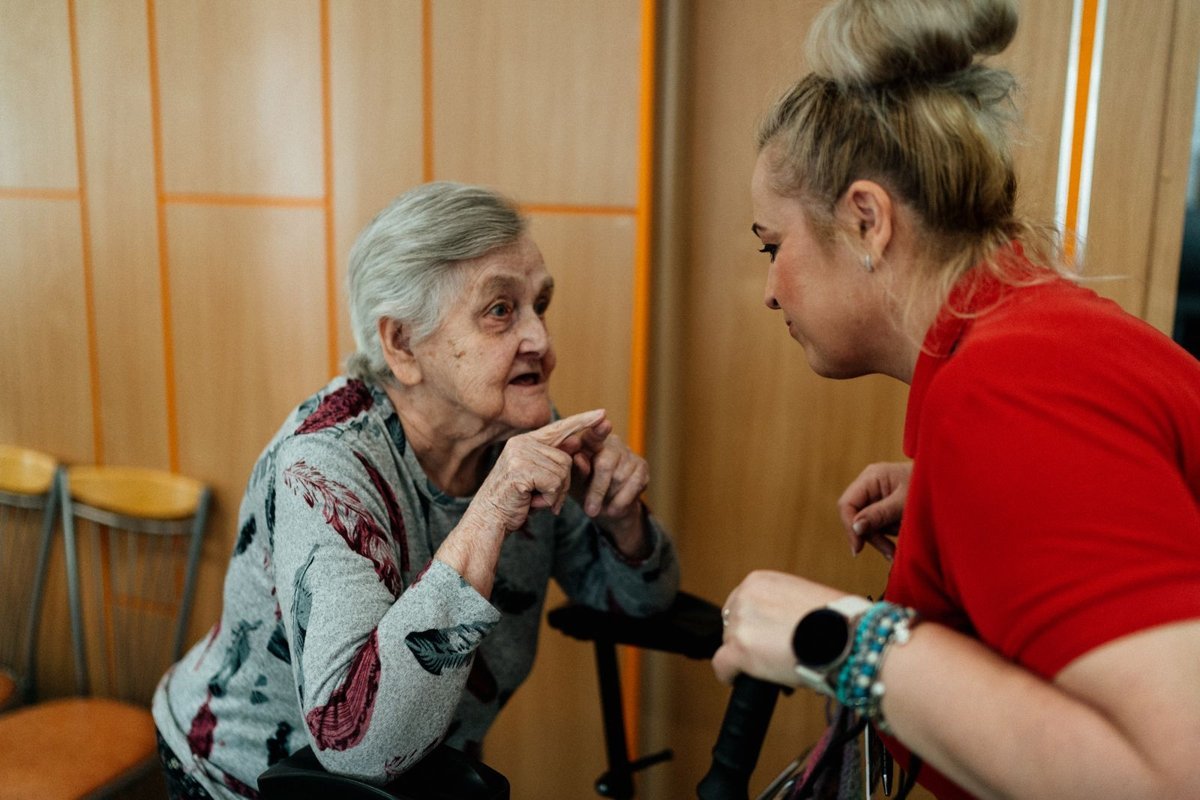
Home care keeps a parent in familiar surroundings. Depending on needs, a trained caregiver may help with bathing, dressing, meals and medicines, while a nurse handles wound dressing, tube feeding or checking blood sugar. Some families book a few hours a day, others arrange live-in support. If you are comparing options, look at how providers describe carers who visit and assist at home and match that list against what your parent actually struggles with.
The US National Institute on Aging’s guide What Is Long-Term Care? describes home based care as help with daily activities such as bathing, dressing, eating and taking medications, and notes that paid nurses and aides can add to what family members already do. That matches the reality for many Malaysian households, where family remains the core and paid help fills gaps.
Where home care stops being enough
Home care works best when the house is safe and someone can coordinate. It becomes harder when a parent needs help through the night, needs two people to transfer from bed to chair, or wanders. Caregiver burnout is real as well. If the main family carer is losing sleep, missing work and snapping at everyone, that is useful information, not a personal failure.
At that point a residential setting can provide what a home cannot: staff on every shift, nursing oversight and a routine built around care. Families in Kuala Lumpur and Selangor often start by visiting a residential nursing setting in the Klang Valley close to the relative who will visit most, because frequent visits matter more than a nicer lobby further away.
Checking a facility properly
Malaysia regulates residential care. The Department of Social Welfare’s introduction to care centres (in Malay) explains that under the Care Centres Act 1993, premises that take in four or more people as residents must be registered, and that running an unregistered centre is an offence. Ask to see the registration or licence certificate, and check its expiry date.
Then look at the everyday things. Is there a nurse on duty at night? How are medicines stored and recorded? What happens if a resident falls? How often are families updated? Visit at mealtime, not only during a scheduled tour.
A short news segment on how families can approach care decisions for ageing parents.
Johor Bahru and families living across the causeway
JB has its own pattern. Many families have children working in Singapore and a parent in Johor, so travel time across the checkpoint shapes every plan. A facility close to the CIQ or the second link can mean a weekday evening visit instead of only weekends. For relatives weighing a centre on the Johor side of the causeway, ask how the team communicates with family abroad and how hospital transfers are arranged.
Whatever the setting, care plans work better when the older person is part of the conversation.
Try a plan before you lock it in
Keep a two week care diary: what help was needed, at what hour, and who gave it. Many families find the pattern makes the answer clear. If needs cluster in the daytime, more home support may be enough. If nights and transfers dominate, a short respite stay in a residential setting is a gentle way to test the change. Above all, include your parent in the decision for as long as they are able to take part.
Headache diaries fill Malaysian WhatsApp chats every week. Tension after long screen days is common. Migraine patterns are common too. A smaller group of symptoms deserve faster medical review, especially when neurological signs appear. This article stays educational. It does not diagnose, dose or book anyone into a clinic, and it is not a substitute for urgent care when red flags show up.
Hospital homepages such as this private hospital overview in Selangor help you see how multi-specialty centres organise services. Use them to understand departments, not to self-triage from a parking map or from a friend’s anecdote about a single scan result.
Bring notes. Timing, triggers, vision changes, weakness, fever and medication lists shorten the first conversation more than any wearable screenshot. Include caffeine and sleep pattern notes if they swing wildly through the week, because those details change how clinicians interpret the diary.
Patterns worth tracking before a neurology discussion
Write down onset speed, pain location, light or sound sensitivity, nausea, sleep disruption and any aura such as zigzag lights or tingling. Note whether exercise, posture or coughing changes the pain. Family history of migraine or stroke belongs in the same folder, even if relatives never used those labels.
Public explainers like the NHS headaches overview and MedlinePlus migraine summary help you learn vocabulary without turning every headache into an emergency. They also remind readers that sudden worst-ever pain, neurological deficits or headache with fever need urgent care pathways, not blog advice and not a wait-and-see chat thread.
Keep the diary for at least two weeks if symptoms are recurring. Sparse notes make every visit feel like starting over and waste clinical time on reconstruction instead of judgement.
When neurosurgery specialty pages enter the conversation
Most headache care never involves surgery. Neurosurgery teams become relevant when imaging or clinical findings point to structural problems, trauma sequelae or other conditions outside routine migraine patterns. A specialty page on neurosurgery pathways can show how a hospital describes that service line for Malaysia patients without turning the page into a self-diagnosis tool.
A specialist who explains why a scan is or is not needed helps more than the scan alone.
TED-Ed animation on migraine as a neurological process, not only a bad headache.
Professional society pages from the American Academy of Neurology are another way to see how specialists talk about headache disorders in educational settings. Cross-check anything you read with a clinician who knows your history rather than crowning a diagnosis from a video alone.
Red flags that should not wait for a routine slot
Seek urgent care for sudden thunderclap pain, headache after head injury, new neurological weakness or speech difficulty, seizure, severe headache in pregnancy, or headache with stiff neck and fever. Do not use an article to talk yourself out of those presentations. Hospitals exist for exactly those moments, and delaying because a blog sounded calm is a poor trade.
For everything else, a structured primary care or neurology review is usually the next calm step. Arrive with your diary, medication list and questions ranked by worry level so the visit time goes to judgement rather than reconstruction of last month’s blurry memory.
Signs a headache review was thorough
Useful consultations name uncertainty out loud. They explain which symptoms are being watched, which tests are optional and which lifestyle levers are realistic for your schedule. They avoid promising that one scan will settle every question, and they put return precautions in writing when symptoms escalate.
If you leave with a clearer watch-list and a written plan for when to return sooner, the visit did its job. Share that plan with one trusted person if headaches sometimes wipe out your concentration. A second pair of eyes helps when symptoms change quickly. That kind of clarity travels better than reassurance slogans and keeps headache care focused on evidence rather than fear.
Choosing between home care and a nursing home in KL or JB? Learn what each covers, when home support stops being enough, and how to check a care facility.